Easy Kauaʻi Hikes for Families and Beginners
/You don’t have to be an experienced hiker to enjoy Kauaʻi on foot.
Some of the Garden Isle’s most memorable landscapes can be experienced on shorter, more approachable trails where families and first-time hikers can slow down, enjoy the scenery, and experience the island beyond the beach.
From tropical forests to dramatic coastlines, there are easy Kauaʻi hikes for families and beginners that offer plenty of scenery without requiring an extreme adventure.
The key is choosing a trail that matches your group’s abilities—and remembering that conditions in Kauaʻi can quickly change how easy a hike feels.
What Makes a Kauaʻi Hike Beginner-Friendly?
Distance is only one part of the equation.
A shorter trail can become much more challenging after heavy rain, while a longer but relatively level trail may feel comfortable for an active family.
When choosing a hike, consider:
- Distance and elevation changes
- Mud and recent rainfall
- Heat and sun exposure
- Uneven or slippery terrain
- Your children’s ages and experience
- How much water and gear you’ll need
- Current trail and access conditions
For families, the best hike isn’t necessarily the one with the biggest view. It’s the one everyone can enjoy safely and comfortably.
Kuilau Ridge Trail
For travelers who want to experience Kauaʻi’s lush interior, Kuilau Ridge Trail is a wonderful place to consider. The trail travels through a wet forest filled with tree ferns and towering vegetation, giving hikers the classic tropical scenery many imagine when they think of the Garden Isle. The full route is approximately four miles out and back, but families don’t necessarily need to complete the entire trail to enjoy the surroundings.
Kuilau is particularly appealing for beginners because you can simply enjoy the forest and turn around when your group has had enough.
One thing to expect: mud.
Wet and muddy conditions are common here, so shoes with good traction are much more useful than footwear you’re trying to keep clean.
Māhā‘ulepū Heritage Trail
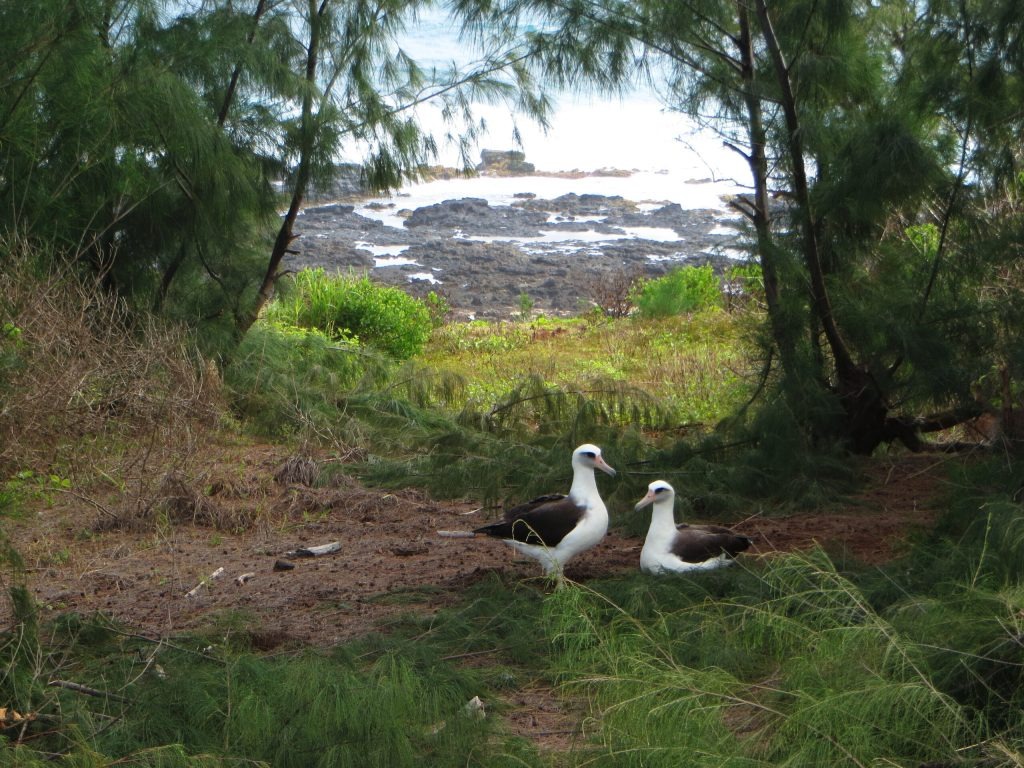
If your family prefers ocean views to rainforest scenery, the Māhā‘ulepū Heritage Trail offers a completely different Kauaʻi experience. This coastal route stretches between Shipwreck Beach and the Māhā‘ulepū area and combines beautiful coastal scenery with interesting natural and cultural features. Rather than feeling like a deep-jungle trek, this is an opportunity to walk beside Kauaʻi’s rugged coastline and enjoy the landscape at your own pace.
Families can choose how far they want to explore before turning around, making it easier to adjust the outing around younger hikers or limited time.
Because coastal sections can be sunny and exposed, bring plenty of water and sun protection.
ʻIliau Nature Loop
For visitors looking for something shorter, the ʻIliau Nature Loop in the Waimea Canyon area is another trail worth knowing about. Short nature walks can be an excellent introduction to hiking for children and travelers who aren’t accustomed to spending several hours on a trail. They give you time to look at plants, talk about the landscape, take photos, and simply enjoy being outside without making the day entirely about reaching a destination.
Important: access conditions around Waimea Canyon and Kōkeʻe can change, so always confirm that the area and trail are open before making the drive.
Is Sleeping Giant Good for Beginners?
Sleeping Giant, or Nounou Mountain, is one of Kauaʻi’s well-known hiking areas and offers beautiful views, but this is where the word “beginner” becomes important. An active beginner may enjoy portions of the hike, while families with very young children or people looking for a gentle walk may prefer something easier.
As trails climb, terrain can become steeper and conditions can feel considerably different after rain.
Don’t choose a trail simply because you’ve seen beautiful photos of the view. Choose it because the terrain and distance make sense for your group.
Can Kids Hike in Kauaʻi?
Absolutely—but the right trail depends on the child.
A child who regularly hikes at home may be comfortable with something very different from a child experiencing their first real trail.
For younger hikers, consider starting with a shorter adventure. Let them stop to look at plants, listen for birds, take pictures, and enjoy the experience rather than focusing on how quickly you reach the end.
Bring more water than you think you’ll need, snacks, sun protection, and appropriate footwear. And remember: turning around early doesn’t mean the hike was unsuccessful.
Sometimes the best family adventures are the ones where everyone finishes the day happy.
When Is the Best Time to Hike With Kids?
For many families, earlier in the day is a good choice. Temperatures may be more comfortable, children often have more energy, and you’ll have more daylight available if your adventure takes longer than expected.
Kauaʻi’s weather, however, varies considerably across the island. Conditions can also change quickly. Rain is part of what keeps Kauaʻi so beautifully green, but it can also turn an otherwise manageable trail muddy and slippery.
Always check current weather and trail conditions before leaving.
Do Families Need a Hiking Guide in Kauaʻi?
Not necessarily.
There are places families can explore independently when trails are open and conditions are appropriate. But a local guide can be particularly helpful when you’re unfamiliar with the island or aren’t sure which type of adventure will work for your family.
At Kauaʻi Hiking Adventures, experiences can be selected around your group’s interests, abilities, and comfort level. Instead of simply choosing a trail because it’s popular online, you can spend your time exploring an area that makes sense for the people you’re traveling with.
Along the way, a knowledgeable guide can also add context about Kauaʻi’s plants, landscapes, ecosystems, history, and culture—turning a family hike into more than just a walk.
Your First Kauaʻi Hike Doesn’t Have to Be the Hardest
Kauaʻi rewards curiosity.
You don’t need to conquer the island’s longest or steepest trail to experience its beauty. Walk beneath tropical tree ferns. Follow a coastal path above the Pacific. Stop for a family photo. Look for birds. Let the kids investigate an interesting plant. Take your time.
For beginners and families, that slower pace can be one of the best ways to experience the Garden Isle.
Find the Right Kauaʻi Adventure for Your Family
Whether you’re traveling with kids, trying hiking for the first time, or simply prefer a more comfortable pace, Kauaʻi Hiking Adventures can help you find an experience suited to your group.
Explore our Kauaʻi hiking and sightseeing experiences and discover a side of the island you won’t see from your hotel or rental car.
Find the Right Kauaʻi Adventure for Your Family
Whether you’re traveling with kids, trying hiking for the first time, or simply prefer a more comfortable pace, Kauai Hiking Tours can help you choose an adventure that fits your group’s interests, abilities, and comfort level.
Explore Kauaʻi with experienced local guides who can introduce your family to the island’s rainforests, coastlines, mountain scenery, waterfalls, history, culture, and unique ecosystems. With a variety of hiking and sightseeing experiences available, your adventure can be tailored to how your family wants to experience the Garden Isle.
Ready to explore Kauaʻi?
View our hiking and sightseeing experiences and book directly with Kauai Hiking Tours:
Book Direct: https://www.kauaihikingtours.com/
Explore Tour Packages: https://www.kauaihikingtours.com/kauai-hiking-tour-packages/



 Kaua’i Hiking Tours
 Meeting locations vary for each tour: You will be sent a meeting location after you book